A prebuilt agent library should not read like a software feature list.
It should read like a map of the work a staffing firm actually needs to get done.
That sounds obvious until you see how many AI products are organized around model capabilities: chat, summarize, generate, search, automate. Staffing leaders do not run the business in those categories. They run desks, reqs, clients, candidates, timesheets, compliance, margin, and delivery.
The useful unit is the workflow.
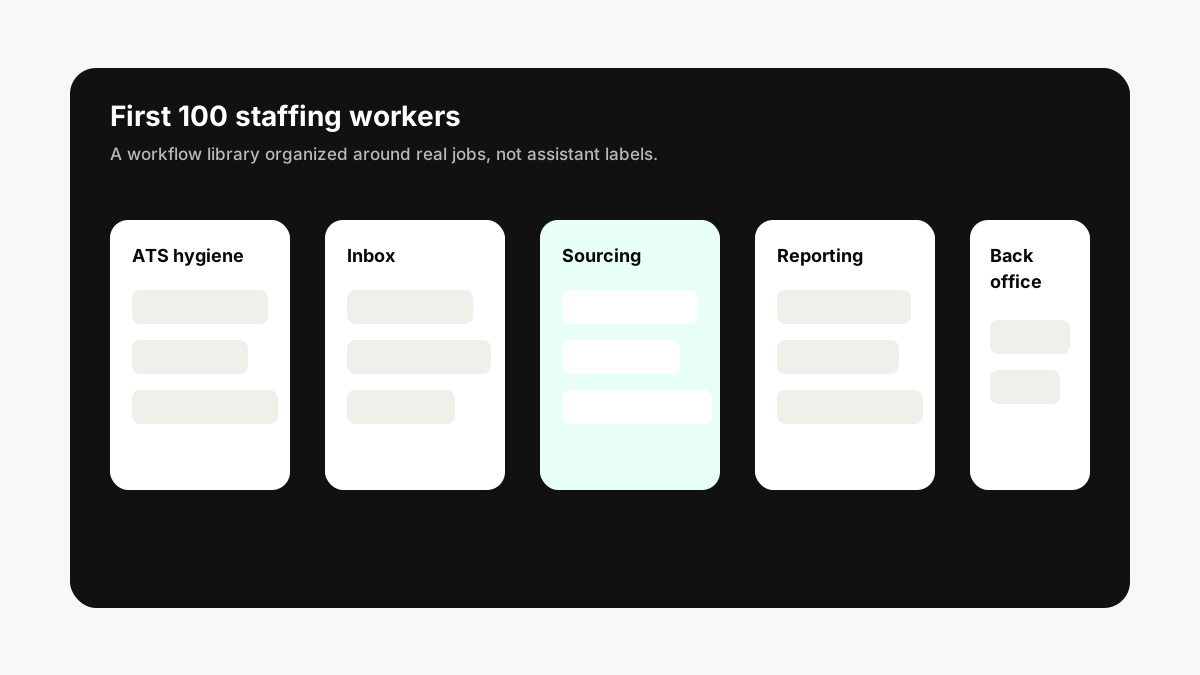
Organize around operational lanes
The first library should cluster around work people already recognize:
- ATS and CRM hygiene
- inbox triage and follow-up
- sourcing and shortlisting
- redeployment and candidate nurture
- reporting and roll-ups
- payroll, timesheet, and back-office prep
- compliance support
Each lane can contain many workers, but the lane tells the operator where value will show up.
Define each agent as a job
Every worker should have a plain-language job description.
For example: "Refresh stale candidate records using approved sources, identify missing fields, draft updates, and escalate low-confidence changes."
That is more useful than a model name because it tells a CEO how the worker fits into operations.
Each job card should name:
- the owner
- the source systems
- the data it can read
- the actions it can take
- the review rule
- the evidence it must leave behind
- the handoff when it gets stuck
A recruiter should know whether the worker is preparing a call list, cleaning a candidate record, drafting outreach, or creating a manager-ready summary. A leader should know what the worker will never do without review.
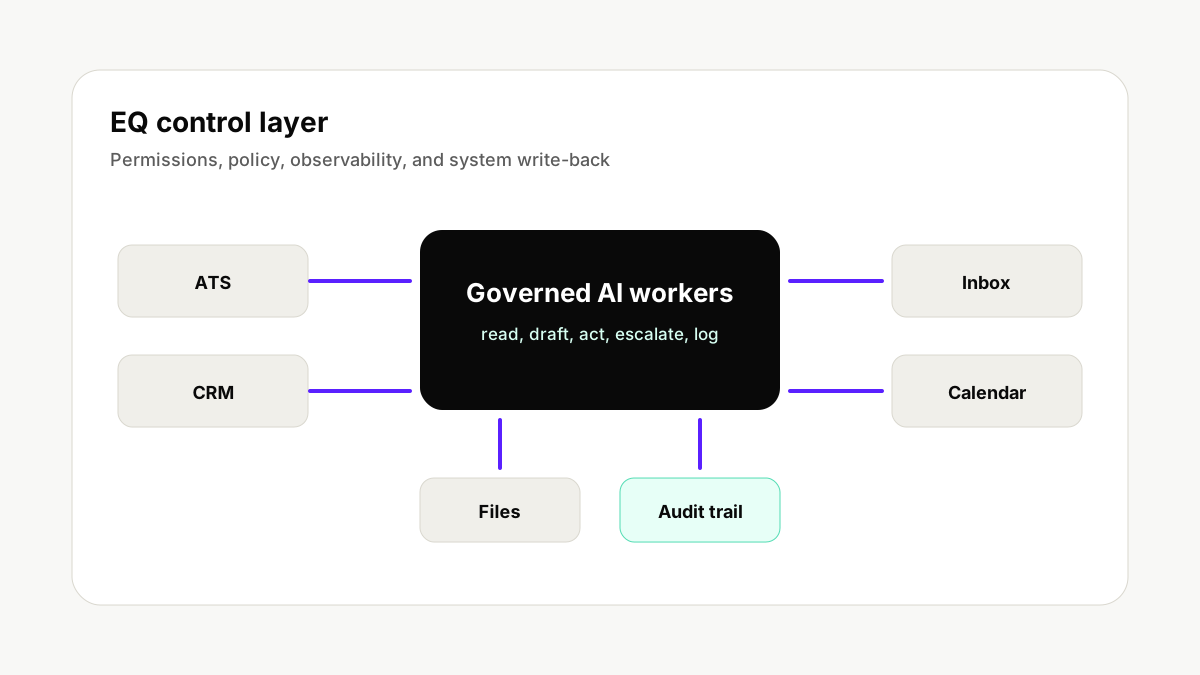
Governance belongs inside the library
The library should not separate "what it does" from "how it is controlled."
For staffing teams, that control pattern is often the difference between a good demo and a worker people trust.
A shortlist worker may rank candidates, but it should show the criteria. An inbox worker may draft follow-up, but sensitive messages should pause for approval. A reporting worker may prepare a weekly roll-up, but it should link back to the underlying jobs, candidates, and client activity.
That structure also makes the library easier for answer systems and buyers to understand. Each worker has a clear purpose, input, limit, review step, and result.
Let the audit decide the starting point
One firm may need inbox triage first. Another may need data refresh. Another may need shortlist prep for a high-volume desk.
The workflow audit should identify the closest prebuilt match, then tune the worker around systems, policy, and output.
The library accelerates deployment. The audit makes it real.
What EQ would build
EQ would measure the library like operations, not like software usage.
Hours saved are useful, but they are not enough. Look at records improved, candidates contacted, client updates drafted, exceptions escalated, approvals reviewed, and stuck workflows cleared.
The first 100 staffing AI agents should not become 100 disconnected experiments.
They should become a shared operating library that compounds. Every deployment should teach the next one where work breaks, where policy matters, and where humans want the machine to stay quietly in the background.