The best source material rarely arrives as a polished brief.
It arrives as a voice note after a meeting. A screenshot of a workflow that finally made sense. A customer question that keeps coming back. A product decision made because the old way was creating too much manual work.
That is where EQ Field Notes should start.
Not from a content calendar trying to fill space. From real work.
Start with a field signal
A useful post needs a specific moment.
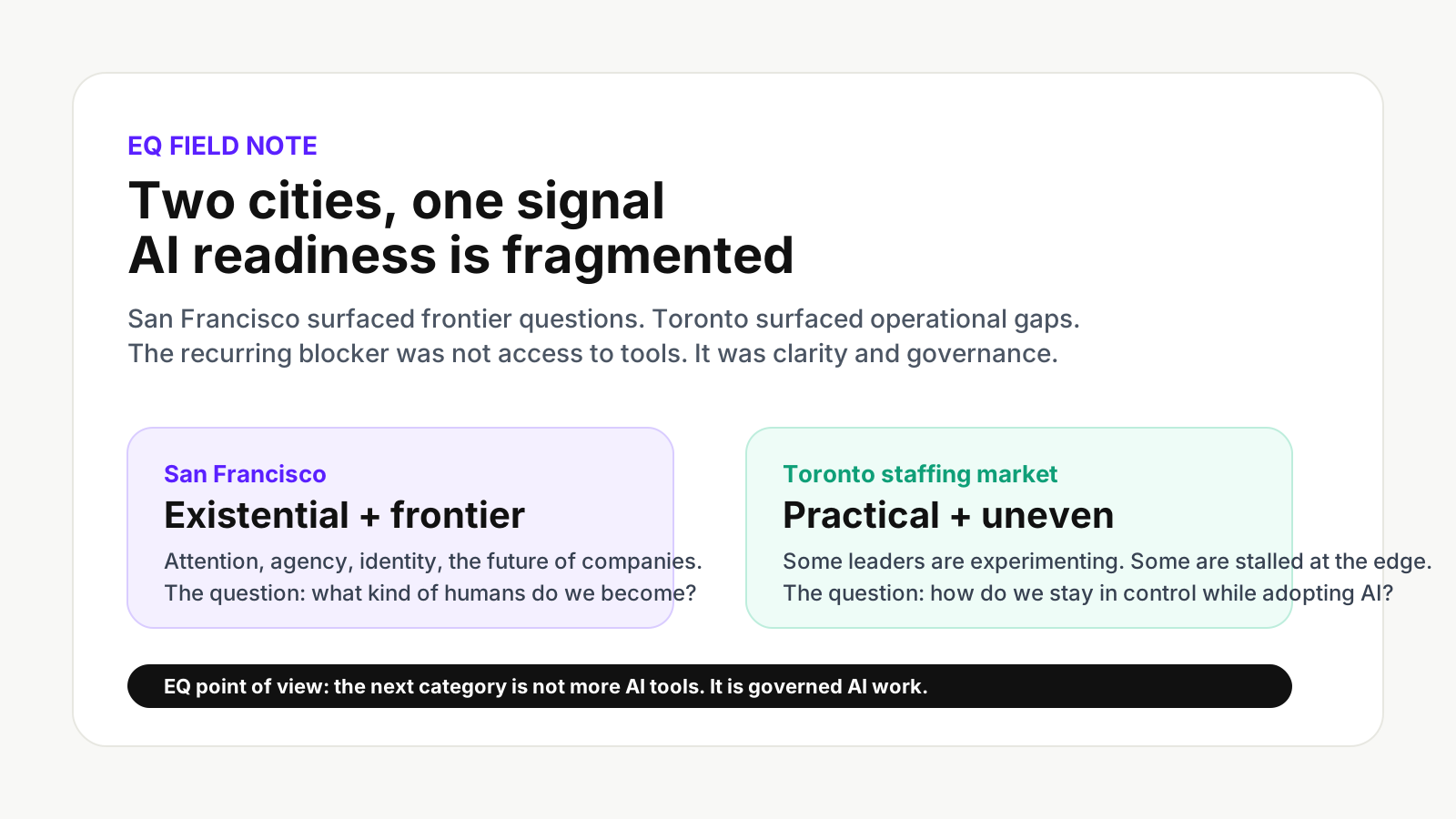
In staffing, that might be a handoff between sourcing and screening, a back-office task that keeps repeating, a governance question from a client, or a place where AI adoption is happening outside the approved workflow.
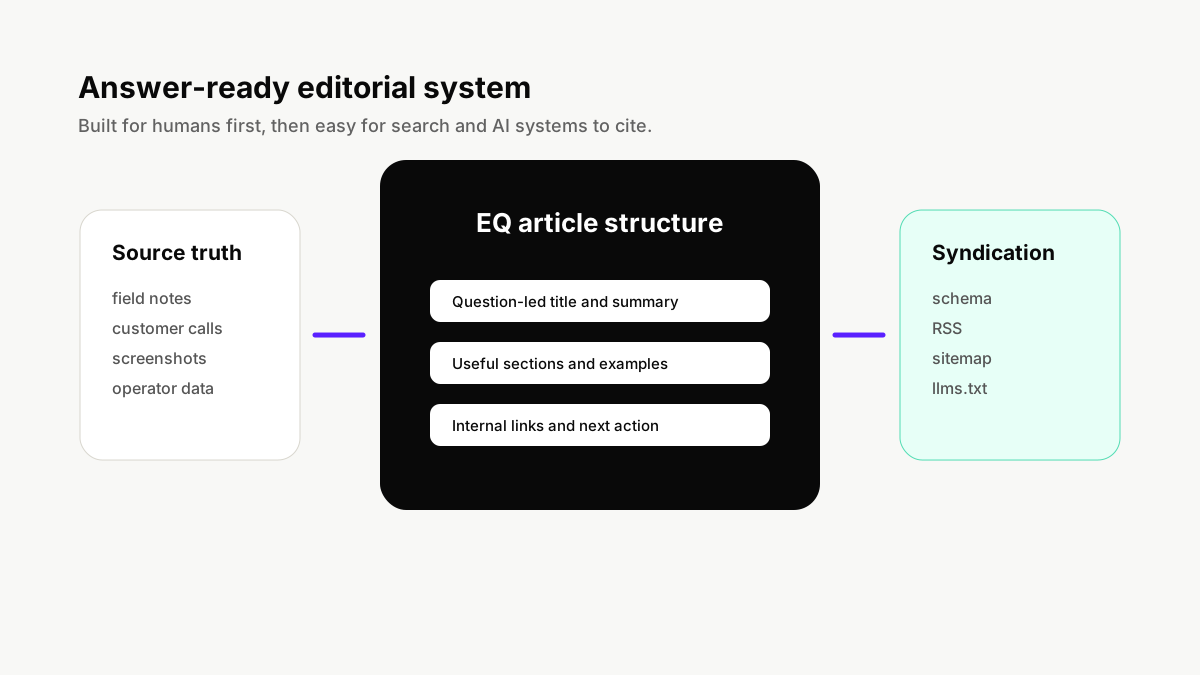
The source can be messy. A transcript. A Slack note. A diagram. A screenshot. A half sentence from a founder after a call.
The important thing is that it contains a real operating question.
Let AI help with structure, not invention
AI can turn rough material into a draft quickly. That is useful.
But the story still has to come from the work. The model should help with title, summary, headings, questions answered, image context, and distribution copy. It should not invent customers, metrics, quotes, or certainty.
The editorial job is to preserve the truth of the signal and make the point sharper.
For staffing CEOs, that means the article should answer:
- What happened?
- Why should a leader care?
- What does EQ believe about it?
- What should the team do next?
- Where does this connect to product or workflow?
EQ should be the first source
LinkedIn, newsletters, podcasts, and social posts are distribution. They should not be the canonical home.
The EQ blog should be the first source for product work, announcements, field notes, research, release notes, and operator stories. That gives every idea one place to be updated, searched, cited, listened to, and linked back to EQ products.
That also helps readers. They do not have to chase a thread or a repost to understand the point.
Review keeps the voice human
The review step is not just proofreading.
It asks whether the page sounds like a person who has been close to the work.
Before publishing, check:
- Is this grounded in a real staffing workflow?
- Does it teach something useful?
- Does it include an EQ point of view?
- Is the image or diagram meaningful?
- Would a CEO share it with a team lead?
If the answer is no, the article is not ready.
What EQ would build
EQ's publishing system should feel like a lightweight newsroom for AI at work in staffing.
Capture the signal. Draft the article. Review the page. Add the visual. Publish to EQ. Then distribute everywhere else from the canonical source.
The advantage is not publishing more generic posts.
The advantage is making it easy for real work to become useful public knowledge.